How to Do a Breast Self-Exam and When to See a Provider
Taking care of your breast health starts with understanding your body and knowing when something feels different, and that starts with a breast self-exam. While breast changes are common and many are not cancerous, recognizing unusual symptoms and seeking medical guidance can help you take proactive steps toward your health.
At Claris Health, we believe every woman deserves access to compassionate, supportive healthcare and the information she needs to make informed decisions. Whether you are learning about breast self-awareness for the first time or preparing for your next well-woman visit, understanding how to check for changes and when to contact a healthcare provider is an important part of preventive care.
During Breast Cancer Awareness Month and throughout the year, use this guide to learn what to look for, what to expect during a clinical breast exam, and when to start mammograms.
1. What Is Breast Self-Awareness?
Breast self-awareness means understanding how your breasts normally look and feel so you can recognize changes that may need medical attention. Your breasts naturally change throughout your life due to hormonal fluctuations, menstruation, pregnancy, breastfeeding, aging, and menopause.
You may notice tenderness before your period, changes in fullness, or areas of lumpiness that fluctuate throughout your menstrual cycle. Becoming familiar with your usual patterns can help you distinguish between familiar changes and something new.
Unlike a formal breast self-exam performed on a strict schedule, breast self-awareness does not require a specific technique or monthly routine. Instead, it encourages you to pay attention to your body during everyday activities, such as showering, getting dressed, or applying lotion.
It is also important to remember that breast awareness does not replace recommended screening. Mammograms can detect abnormalities before they are noticeable by touch, and a healthcare provider can help you determine which screening approach is appropriate for your individual risk.
2. How to Do a Breast Self-Exam, Step by Step
Although routine breast self-exams are not recommended as a standalone screening method for people at average risk, learning how to observe and feel your breasts can help you recognize changes. If you choose to perform a hands-on check, follow these steps.
Step 1: Look at your breasts in a mirror.
Stand with your shoulders straight and your arms relaxed at your sides. Look for changes in breast size, shape, skin texture, or nipple appearance. Then raise your arms overhead and look again. Notice any new dimpling, swelling, puckering, or changes in the position of your nipples.
Step 2: Feel your breasts while standing.
Using the pads of your three middle fingers, gently feel each breast in small, circular motions. Apply light, medium, and firmer pressure to explore the different layers of breast tissue. Cover the entire breast, including the area toward your armpit and up to your collarbone.
Step 3: Check while lying down.
Lie on your back and place a pillow beneath one shoulder. Raise that arm above your head and use your opposite hand to examine the breast. Move systematically across the tissue so you do not miss any areas. Repeat on the other side.
Step 4: Notice what is normal for you.
Pay attention to the usual texture, tenderness, and symmetry of your breasts. You do not need to memorize every detail. The goal is to recognize a change that is new, persistent, or unusual for your body.
Step 5: Follow up on anything concerning.
If you notice an unfamiliar lump, skin change, or nipple discharge, contact a healthcare provider rather than repeatedly checking the area or waiting for your next routine appointment.
There is no need to feel alarmed if your breasts are naturally uneven or lumpy. What matters most is whether something has changed. For more information please read this article from breastcancer.org
3. What Breast Changes Should You Look For?
Knowing which symptoms deserve attention can make breast self-awareness less intimidating. Changes do not automatically indicate cancer, but new or persistent symptoms should be evaluated.
Contact a healthcare provider if you notice:
- A new lump or thickening: This may occur in the breast or underarm and may feel hard, soft, tender, or painless.
- Changes in size or shape: One breast may suddenly appear swollen or look different from its usual shape.
- Skin changes: Watch for dimpling, puckering, redness, unusual thickening, or skin that resembles an orange peel.
- Nipple changes: New inversion, persistent scaling, or a rash around the nipple should be assessed.
- Unusual discharge: Spontaneous discharge, particularly if bloody or coming from one nipple, warrants evaluation.
- Persistent, localized pain: Breast pain is common and often unrelated to cancer, but new pain in one specific area that does not resolve should be discussed with a provider.
Breast lump: What should you do?
If you discover a breast lump during a breast self-exam, schedule an appointment with a healthcare provider promptly. Do not assume it is cancer, but do not ignore it because it is painless or because you are young.
Many breast lumps are caused by benign conditions, including cysts and hormonal changes. Your provider may recommend a clinical breast exam, diagnostic imaging, or other testing based on your age, symptoms, and medical history.
If you notice rapid swelling, significant redness, warmth, or fever, seek prompt medical evaluation, as these symptoms can sometimes indicate an infection or another condition requiring treatment.
4. What Happens During a Clinical Breast Exam?
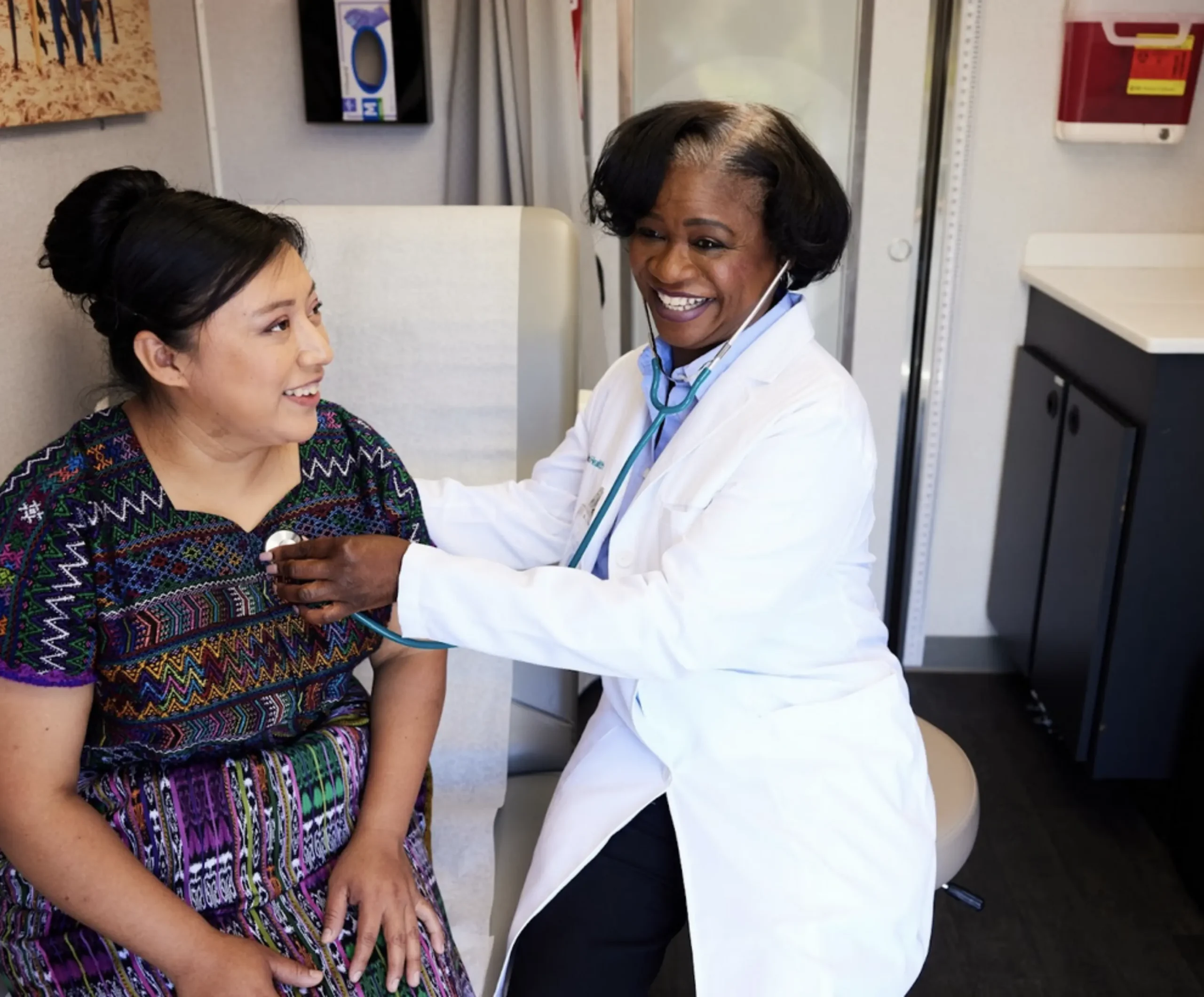
A clinical breast exam is a physical examination performed by a trained healthcare professional to assess breast tissue and identify possible abnormalities.
During the appointment, your provider may ask about your symptoms, menstrual history, medications, and personal or family history of breast cancer. This information helps determine whether additional evaluation or earlier screening may be appropriate.
Your provider will typically inspect your breasts for visible changes and gently feel the breast tissue, underarm areas, and surrounding regions for lumps, thickening, or other unusual findings. You can ask questions throughout the exam, request an explanation of each step, and communicate any discomfort.
If an abnormality is found, your provider may recommend further evaluation, such as a diagnostic mammogram or breast ultrasound. A biopsy may be recommended if imaging indicates that a tissue sample is needed.
A normal clinical breast exam does not rule out breast cancer. Similarly, a clinical breast exam is not a substitute for recommended mammography. Screening recommendations vary according to age, risk factors, and individual circumstances.
5. When Should You Start Getting Mammograms?
One of the most common breast health questions is when to start mammograms. A mammogram is an X-ray examination that can detect breast cancer before a lump or other symptom becomes noticeable.
For women at average risk, the U.S. Preventive Services Task Force recommends a screening mammogram every two years from ages 40 through 74. Other professional organizations recommend annual screening or offer different guidance, so it is worth discussing the schedule that best fits your needs.
You may need to begin screening earlier or follow a different plan if you have a strong family history of breast cancer, a known inherited genetic variant such as BRCA1 or BRCA2, previous breast cancer, or certain other risk factors. Your provider can help assess your risk and determine whether additional imaging or specialist care is appropriate.
If you are younger than 40 and notice a new lump or another concerning symptom, do not wait until you reach the recommended screening age. Your provider can arrange diagnostic testing when needed.
During your appointment, ask about your family history, screening frequency, and whether your breast density affects your screening plan. If you are overdue for a mammogram, taking the first step to schedule one can help you stay on track with preventive care.
6. Well-Woman Exams at Claris Health
Your breast health is an important part of your overall health, and preventive care offers an opportunity to discuss more than screening alone.
A well-woman exam is a chance to talk with a healthcare provider about your health history, menstrual changes, reproductive health, preventive screenings, and any concerns you have noticed. Depending on your needs, your visit may include a breast health assessment, guidance about mammograms, and referrals for additional testing.
At Claris Health, we believe healthcare should be approached with compassion, respect, and an understanding of each person’s individual circumstances. If you have questions about a breast change, want to understand your screening options, or are looking for a well-woman exam in Los Angeles, seeking care is a meaningful step toward prioritizing your health.
You do not need to wait until something feels wrong to schedule a preventive visit. Regular appointments help you build a relationship with a healthcare provider, discuss your personal risk factors, and make informed decisions about your care.
Take the next step toward caring for yourself. If you have noticed a breast change, have questions about when to start mammograms, or are due for a well-woman exam, reach out to Claris Health to learn about available services and appointment options.
Your health deserves attention throughout the year, not just during Breast Cancer Awareness Month. Knowing your body, speaking up about changes, and staying connected to preventive care can help you feel more confident about your breast health. Book with Claris today.